History
The Merriam Project Community School developed from an orphanage that started in 2008 when Diane Zanuzoski, a tourist from Mexico, first came to Uganda. So moved by the number of poor and needy children in the area, she created a program called Kisoro Orphans’ Care.
Diane bought land in Kisoro to build an orphanage, engaging Arthur Niyongabo to run it. But in 2012, Arthur died, and the orphanage failed. However, the buildings remained. In 2016, after receiving his university degree in economics, Laban Niyongabo, brother to Arthur, contacted Diane asking her to donate the land for a different use, but one still in line with her initial vision: serving the poor, orphaned, and needy.
We realized how expensive it was to have kids attend only Saturday school and then support them in everyday school, so we opted to have all of them at Merriam’s Project Community school.
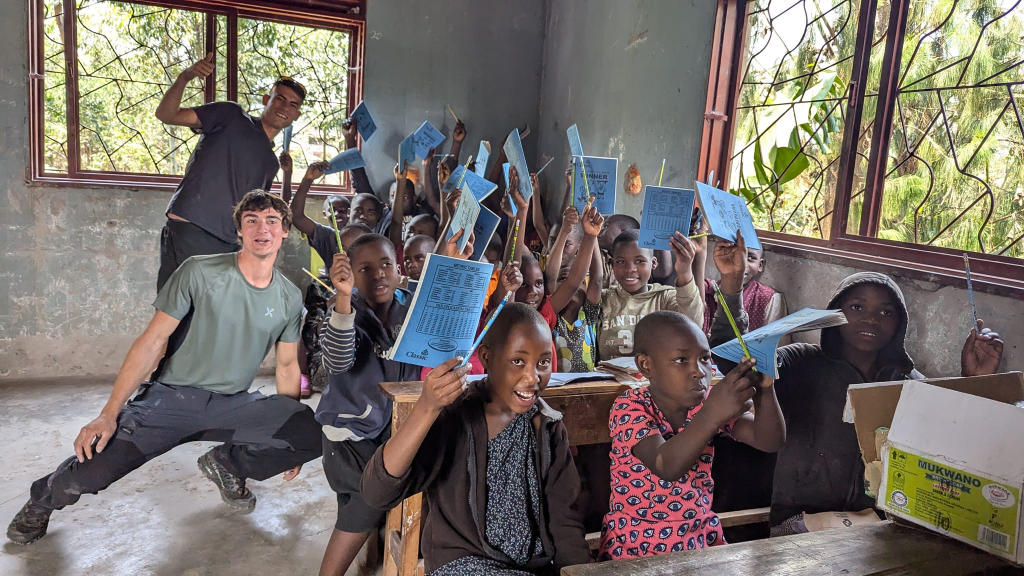
Because of Diane’s generosity, the Merriam Project Community School began in 2016 as a Saturday school where kids would meet to play games, share a meal, and receive some basic education taught by a few teachers. This was not economically sustainable to have kids attend only Saturday school and then support them in everyday school. Instead, the focus shifted to creating Merriam’s Project Community School, where 77 students now attend school Monday through Saturday, with the majority of those boarding at the school, too.

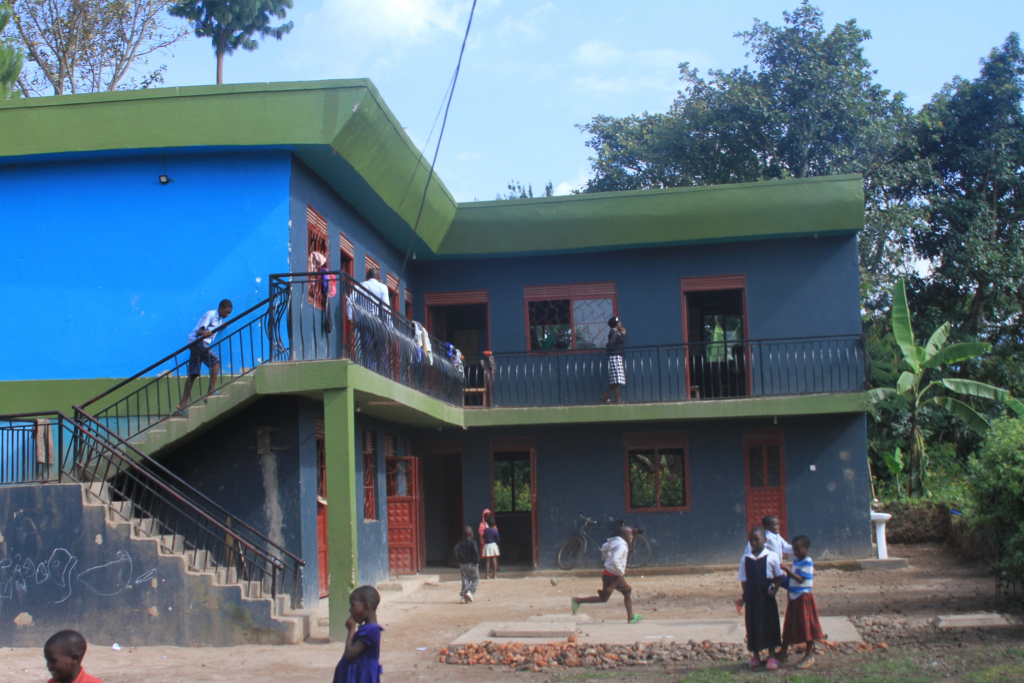
Our Current Needs
01
Student sponsorship.
- Student sponsorship. Helping cover the costs of sending students to school includes: Uniforms, meals, housing, health care, education, staffing, supplies, electricity, water, and recreation.
02
Land Acquisition
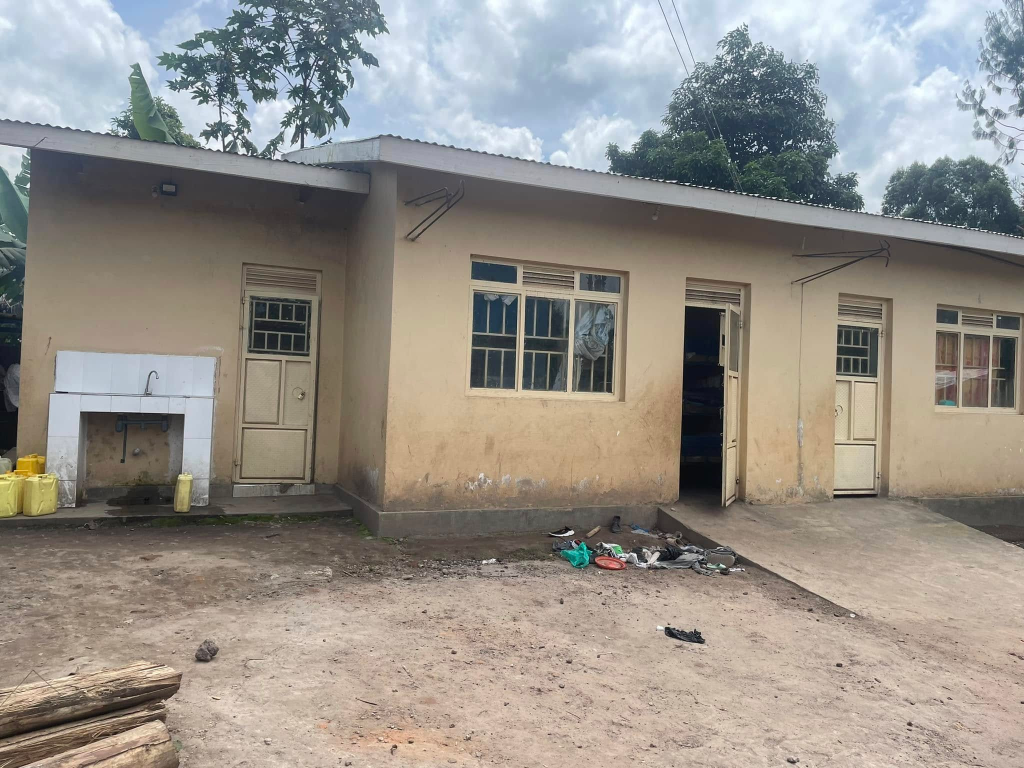
Land acquisition. There are always pressing needs, but the most critical one right now is land acquisition, as our current campus is tiny. With land available for expansion, we can construct an additional latrine, as the one we currently use is ancient and in dire need of relocation and proper septic design.
03
Solar lighting.
Solar lighting. Electricity is unreliable, so having some solar to power lighting needs is essential for classrooms and dormitories. This will also reduce our monthly costs.
04
Phase 2# Needs
Phase 2. Build new dormitories that are more spacious, better built, and include both boys and girls on the premises.
Phase 3. Build a library, a computer lab, a dining hall, and a sickbay.
05
Phase 2# Needs
Phase 4. Build 10 new classrooms.
Phase 5. Repair and reconstruct the existing school site for skills training, storage, and animal housing.
06
Staffing
Staffing. Add staff as needed and provide teacher training to improve our academics and teaching practices.
Future Vision
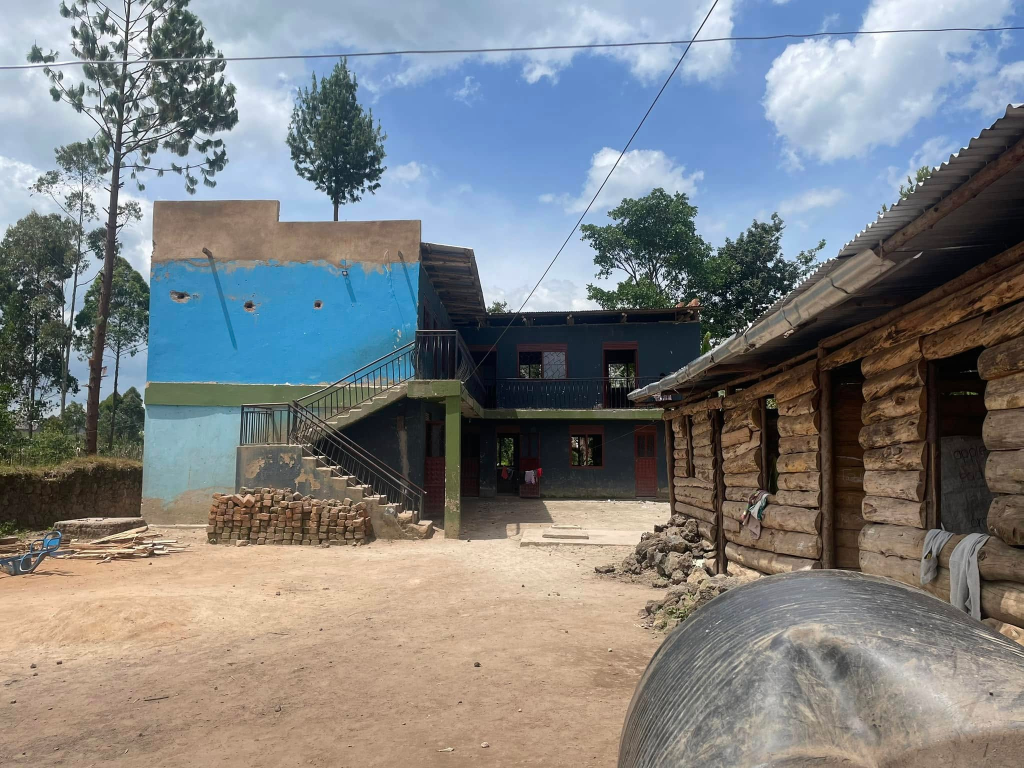
In time, we plan to add on a Skills Centre, where those who are unable to matriculate to secondary school can continue their education to learn skills that can make them able to earn an income that can sustain them in the future with their families.
Additionally, we aim to establish a school library that provides the Kisoro community with free access to books. Ideally, linking to other libraries in Uganda, although there are few of them.
Ultimately, we would like to extend the help we provide the students to their families. Including the opportunity for skills training and adult literacy education, allowing these families income-generating options beyond subsistence farming.
Our Amazing Team
The Heart of the School
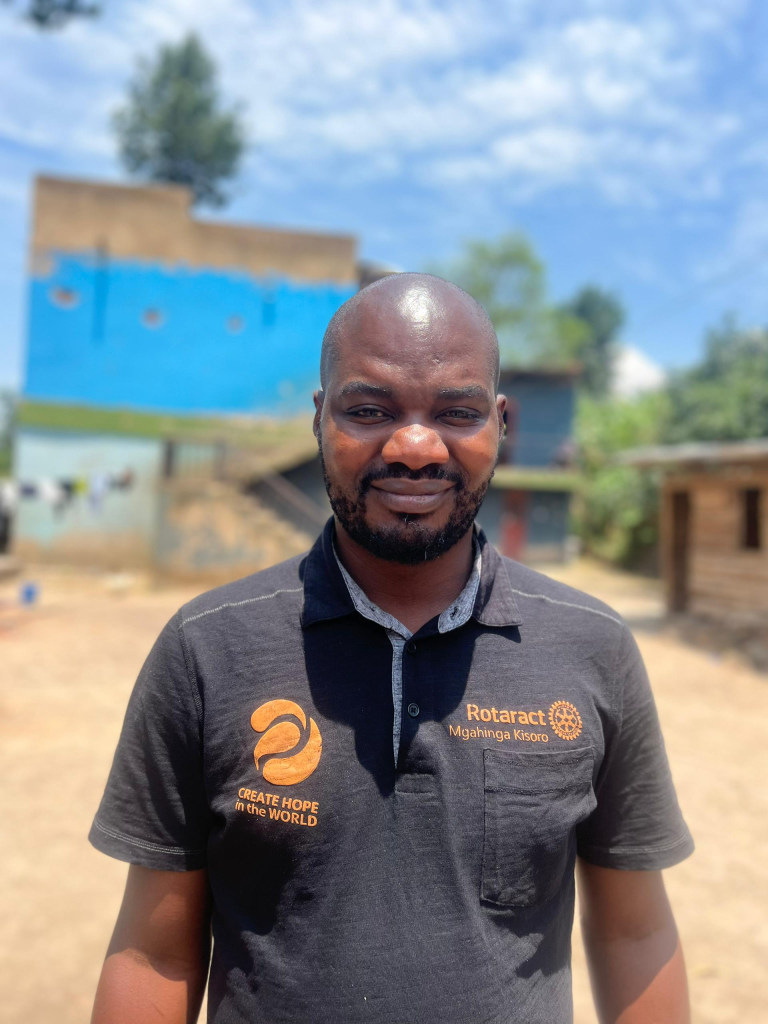
Laban Niyongabo, Director
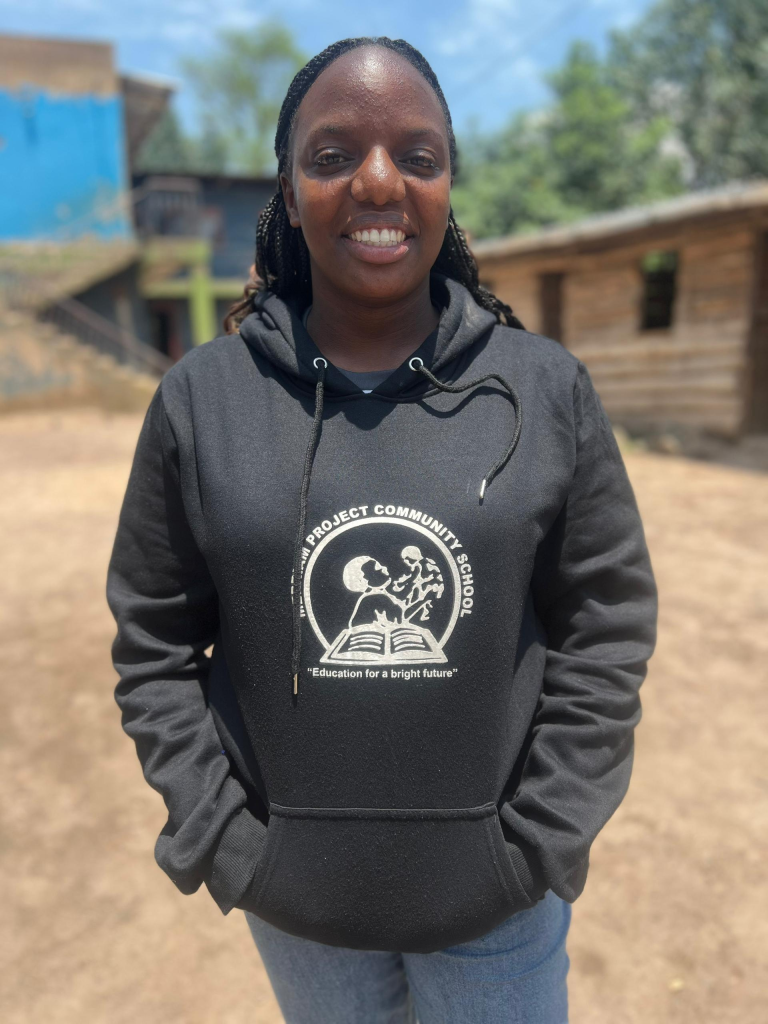
Gato Niyigaba, Administrator and Financial Controller

Caleb Rukundo, Headmaster
Bernard Byansi, Environmental and Physical Education Teacher, and a team of nine other teachers help educate and engage our young people in their growth and development.
Other staff members include Cook and Gardner/Cow Herder/Gateman
Laban Niyongabo
Director
More here if we like
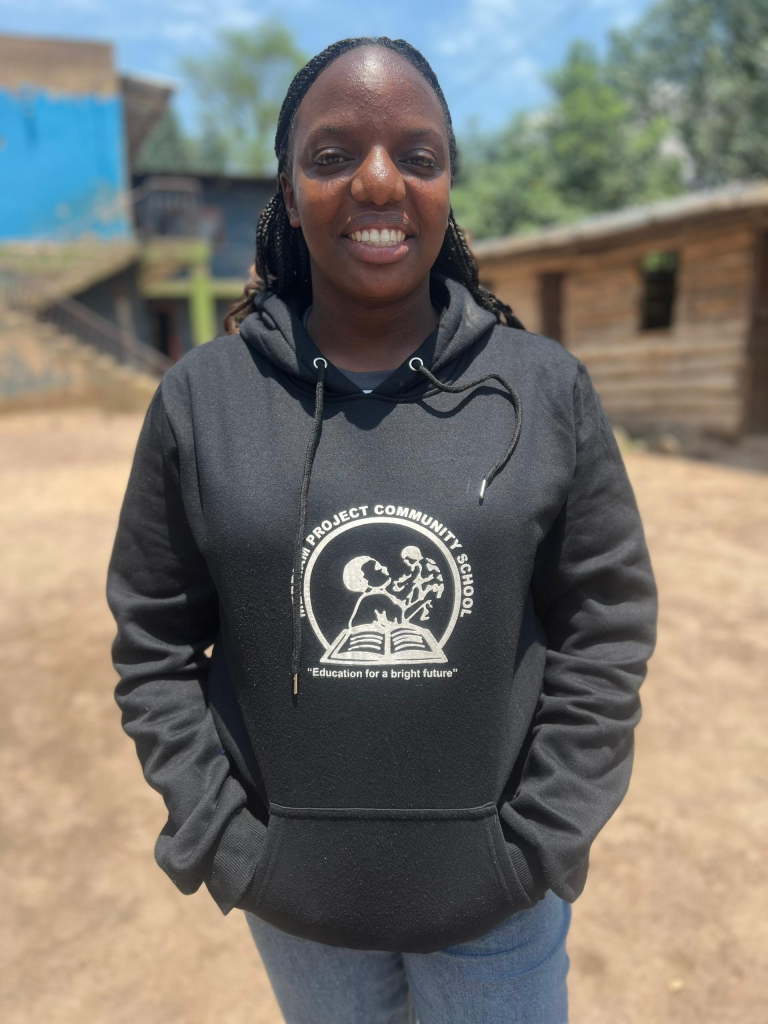
Gato Niyigaba,
Administrator and Financial Controller
More here if we like
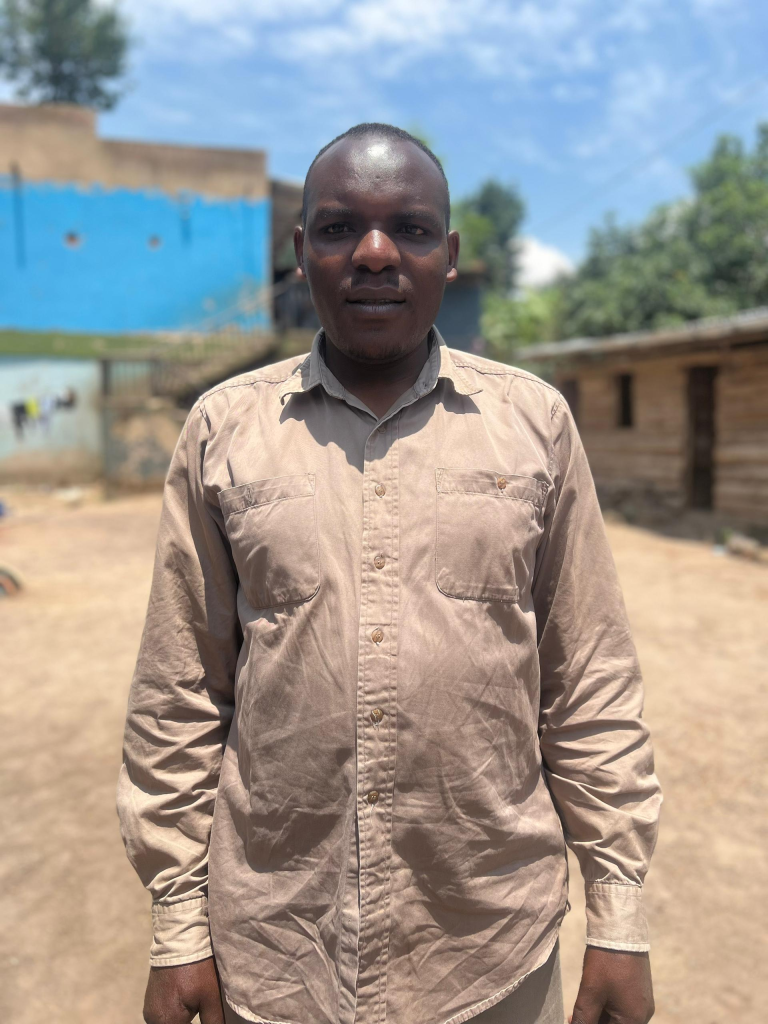
Caleb Rukundo,
Headmaster
c
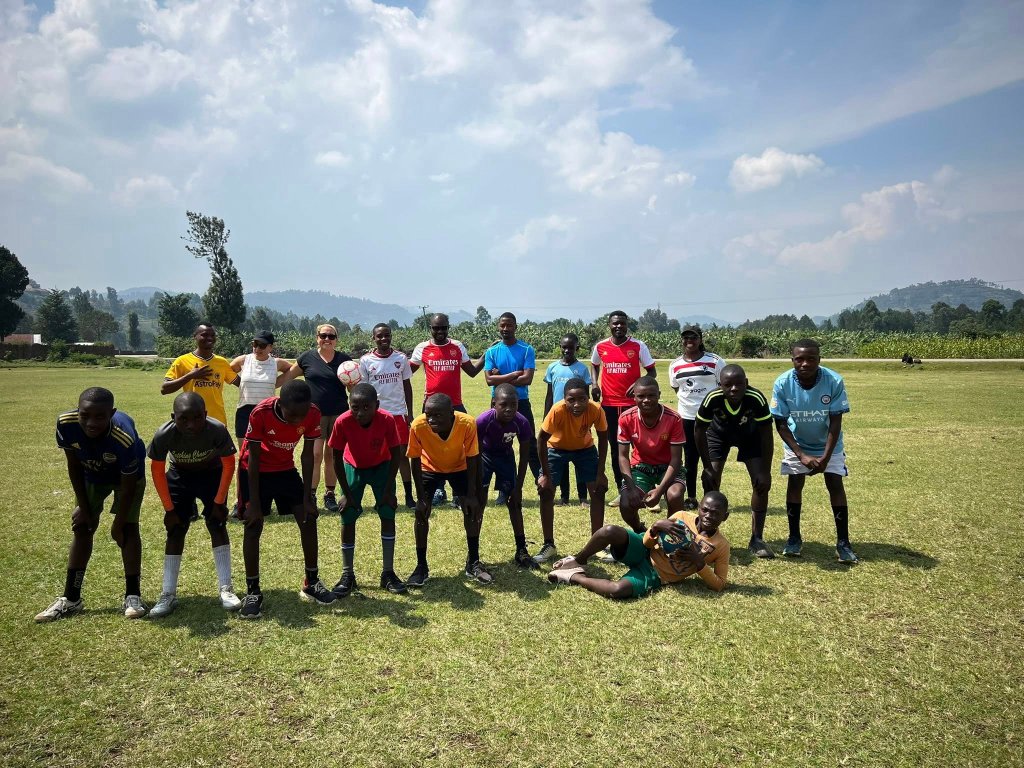
Bernard Byansi,
Environmental and Physical Education Teacher,